 Cadentia
IB Oral Practice Photos: 10 Free Photos with Follow-Up Questions (Spanish B and French B)
Ten free IB oral practice photos, two per theme, each with Spanish B and French B prompts, three follow-up questions and a question on another theme.
The real IB oral photos are not public, and image searches turn up pictures you cannot legally put on a slide. So here are ten you can use: two per IB Language B theme, from Spanish- and French-speaking places, free to use with their credit lines.
Each photo has a prompt in Spanish and in French, three follow-up questions that climb from the past to an opinion to a hypothetical, and a question that moves the conversation to another theme, the way the oral does. The prompts and questions are our own wording, not IB text. They are written for the Standard Level oral, where the stimulus is a photo; Higher Level starts from a literary extract.
Students: if you are new to the oral, start with how to prepare for the IB Spanish B oral or IB French B oral questions and preparation, then come back here to practise.
The method: see, link, wonder
- What I see. Place, people, objects, colours, what is happening. Use "in the foreground" and "in the background" (en primer plano, al fondo; au premier plan, à l'arrière-plan).
- The cultural link. Where this might be, what tradition or place it connects to, and why it matters to the people there.
- What I wonder. What happened before, what is outside the picture, what you would do there. This is where you move beyond the present tense.
Then answer the three follow-ups without reading them first, and finish with the question on another theme. Record yourself, listen back once, and write down three things to fix.
1. A night procession (Identities)
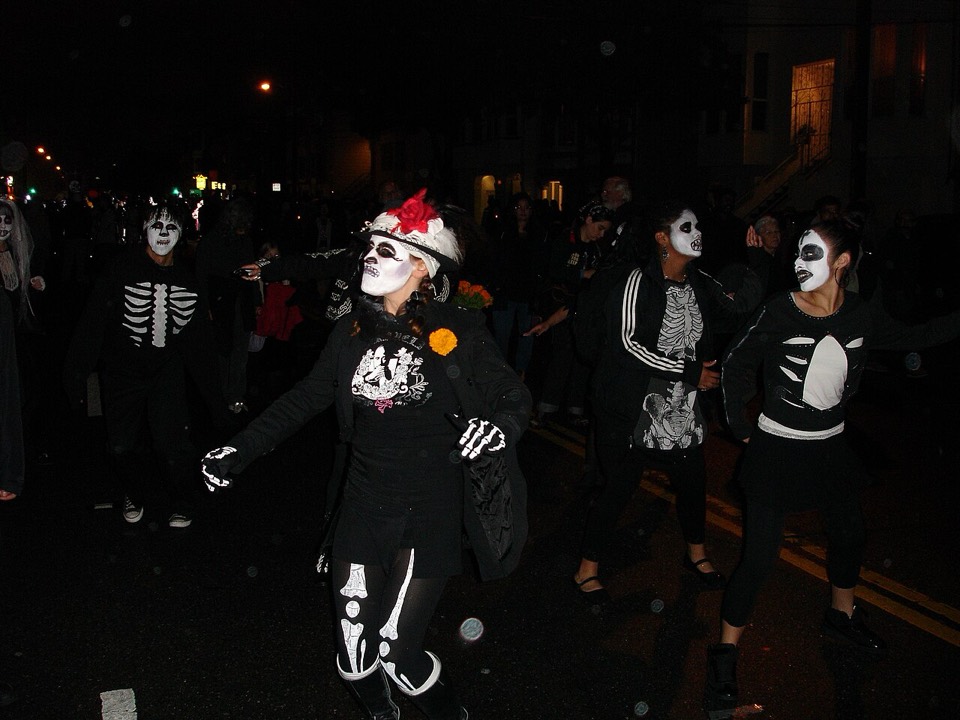
Photo: Al83tito / Wikimedia Commons (CC0) (licence, source)

Best for: Spanish B.
Spanish prompt: Describe la foto y explica qué relación tiene con las tradiciones y la identidad de la cultura mexicana.
Follow-ups:
- ¿Qué hicieron estas personas para prepararse para el desfile, según tú?
- ¿Te parece bien que una tradición viaje a otros países y cambie? ¿Qué opinas?
- Si pudieras celebrar una fiesta tradicional de otro país, ¿cuál elegirías y qué harías?
Another theme (Spanish): Hablemos de experiencias: ¿qué fiestas o rituales marcan los momentos importantes de tu vida?
French prompt: Décris la photo et explique le lien avec les traditions et l'identité d'une culture hispanophone.
Follow-ups:
- À ton avis, qu'ont fait ces personnes pour se préparer au défilé ?
- Trouves-tu bien qu'une tradition voyage dans d'autres pays et change ? Qu'en penses-tu ?
- Si tu pouvais célébrer une fête traditionnelle d'un autre pays, laquelle choisirais-tu et que ferais-tu ?
Another theme (French): Parlons d'expériences : quelles fêtes ou quels rituels marquent les moments importants de ta vie ?
Tip: Ask what is outside the frame: the families, the altars, the day before.
2. A fruit stall in Marrakech (Identities)
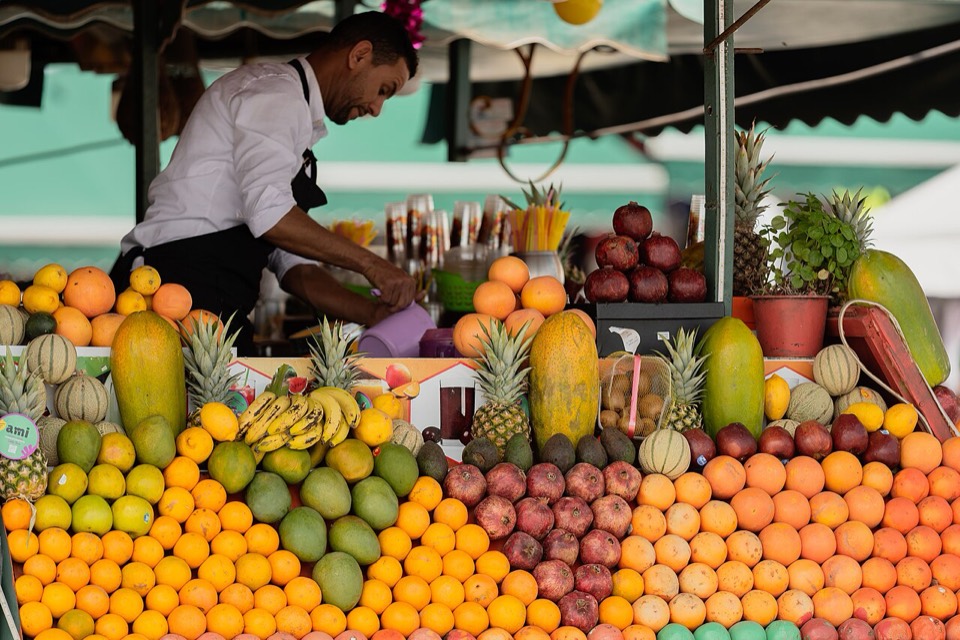
Photo: Mustang Joe / Wikimedia Commons (CC0) (licence, source)

Best for: French B.
Spanish prompt: Describe la foto y explica qué dice sobre la vida cotidiana en un país del Magreb, donde también se habla francés.
Follow-ups:
- ¿Cómo imaginas la mañana de este vendedor antes de abrir su puesto?
- ¿Es importante que los mercados tradicionales sigan existiendo? ¿Por qué?
- Si tuvieras un puesto como este, ¿qué venderías y cómo atraerías a los clientes?
Another theme (Spanish): Hablemos de organización social: ¿cómo cambia la vida de un barrio cuando los mercados pequeños desaparecen?
French prompt: Décris la photo et explique ce qu'elle dit de la vie quotidienne dans un pays du Maghreb où l'on parle français.
Follow-ups:
- Comment imagines-tu la journée de ce vendeur avant l'ouverture de son stand ce matin ?
- Penses-tu qu'il vaille mieux acheter au marché traditionnel plutôt qu'au supermarché ?
- Si tu tenais un stand comme celui-ci, que vendrais-tu et comment attirerais-tu les clients ?
Another theme (French): Parlons d'organisation sociale : comment un quartier change-t-il quand les petits commerces disparaissent ?
Tip: Describe the colours, then talk about who buys here and how shopping differs from a supermarket.
3. Carnival in Barranquilla (Experiences)
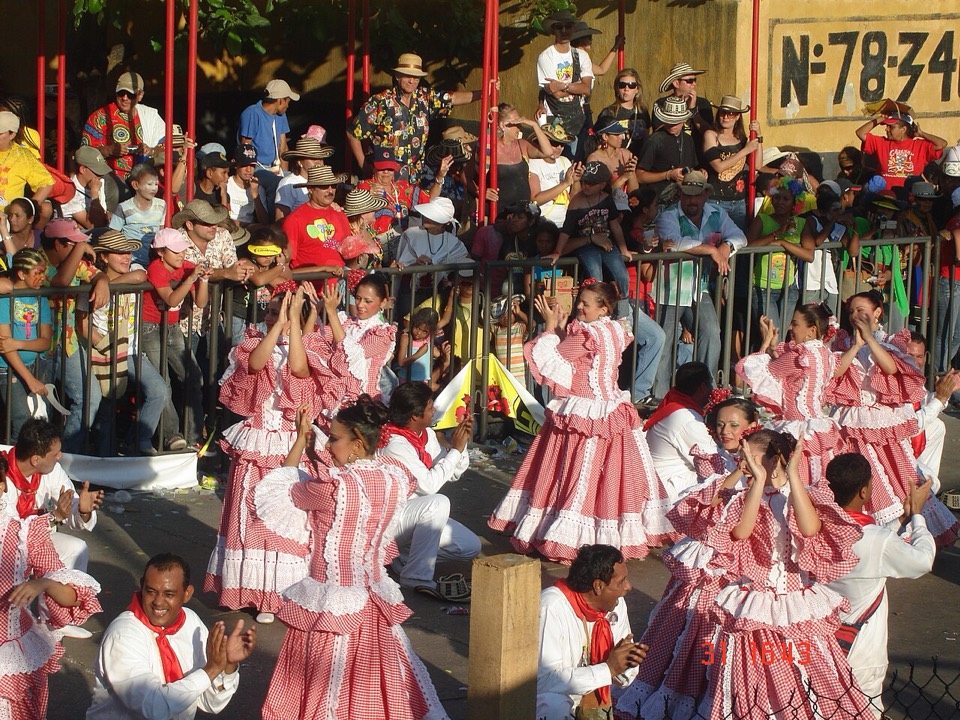
Photo: Norma Gòmez / Wikimedia Commons, CC BY 2.0 (licence, source)

Best for: Spanish B.
Spanish prompt: Describe la escena y explica qué experiencia vive la gente en un carnaval colombiano.
Follow-ups:
- ¿Cómo crees que se prepararon estas bailarinas durante los meses anteriores al carnaval?
- ¿Es importante que los jóvenes participen en estas fiestas? ¿Por qué?
- Si pudieras bailar en el carnaval de Barranquilla, ¿cómo te prepararías?
Another theme (Spanish): Hablemos de identidades: ¿cómo expresan la música y el baile tu identidad?
French prompt: Décris la scène et explique l'expérience que vivent les gens pendant un carnaval colombien.
Follow-ups:
- Comment ces danseuses se sont-elles préparées pendant les mois qui ont précédé le carnaval, selon toi ?
- Penses-tu qu'il soit important que les jeunes participent à ces fêtes ? Pourquoi ?
- Si tu pouvais danser au carnaval de Barranquilla, comment te préparerais-tu ?
Another theme (French): Parlons d'identités : comment la musique et la danse expriment-elles ton identité ?
Tip: Say what the dancers might have done to prepare, then what carnival means for the town.
4. A Paris café terrace (Experiences)
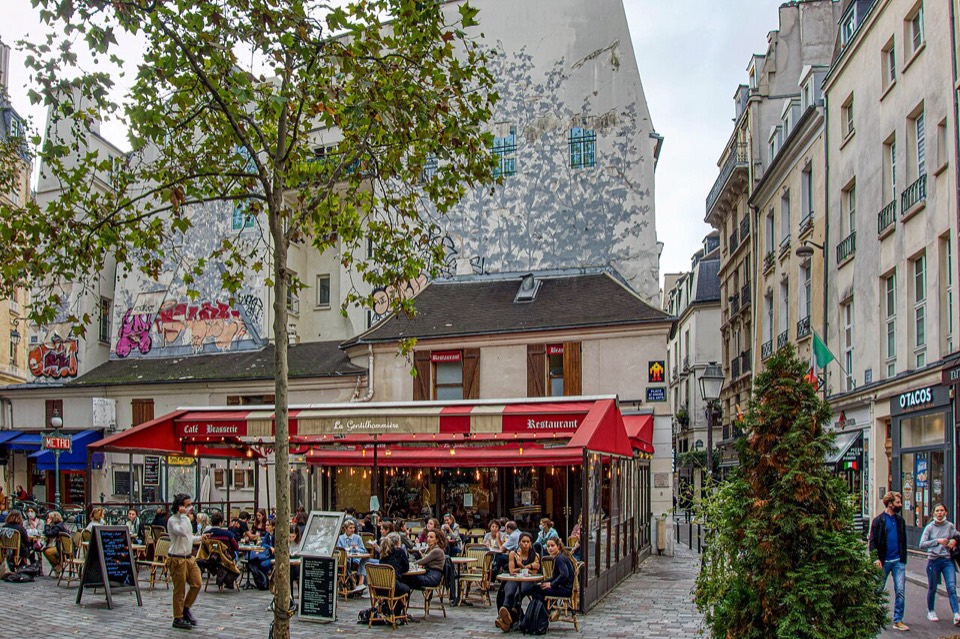
Photo: besopha / Wikimedia Commons, CC BY 2.0 (licence, source)

Best for: French B.
Spanish prompt: Describe la foto y explica por qué las terrazas son una experiencia importante en la vida social de Francia.
Follow-ups:
- ¿Qué crees que hicieron estas personas antes de sentarse en la terraza?
- ¿Es necesario que las ciudades tengan más espacios para reunirse al aire libre?
- Si pudieras pasar un día en esta terraza, ¿con quién irías y de qué hablarían?
Another theme (Spanish): Hablemos de organización social: ¿cómo cambió la vida en las ciudades cuando se cerraron cafés y restaurantes durante la pandemia?
French prompt: Décris la photo et explique pourquoi la terrasse de café est une expérience importante de la vie sociale en France.
Follow-ups:
- Qu'est-ce que ces personnes ont fait avant de s'asseoir à cette terrasse, à ton avis ?
- Les villes devraient-elles avoir plus d'espaces pour se retrouver en plein air ?
- Si tu pouvais passer une journée sur cette terrasse, avec qui irais-tu et de quoi parleriez-vous ?
Another theme (French): Parlons d'organisation sociale : comment la vie en ville a-t-elle changé quand les cafés et les restaurants ont fermé pendant la pandémie ?
Tip: Move from the scene to the habit: why do people sit here for hours?
5. A courier on a bike (Human ingenuity)
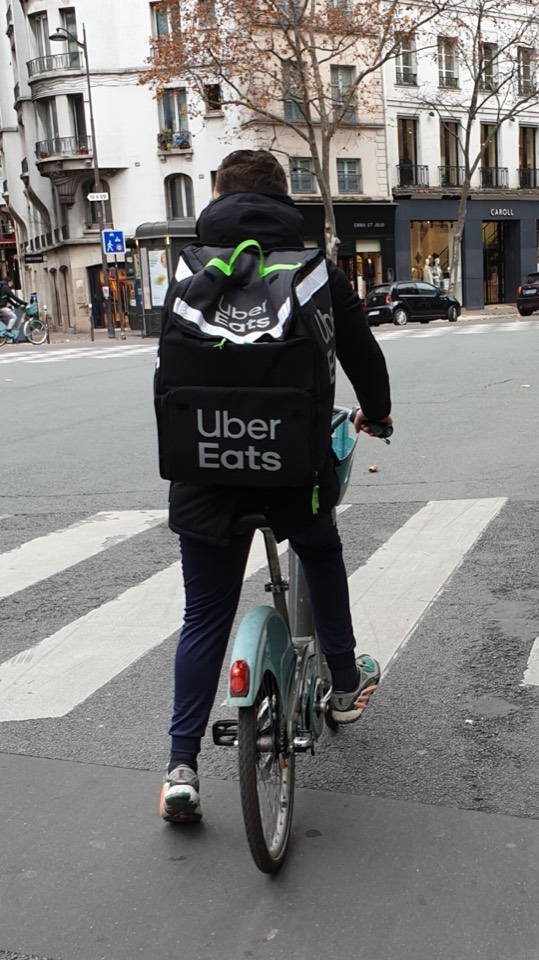
Photo: TCY / Wikimedia Commons, CC BY 3.0 (licence, source)

Best for: French B.
Spanish prompt: Describe la foto y explica cómo las aplicaciones han cambiado el mundo del trabajo.
Follow-ups:
- ¿Cómo crees que ha sido hasta ahora el día de trabajo de esta persona?
- ¿Es justo que los repartidores no tengan los mismos derechos que otros empleados? ¿Qué piensas?
- Si trabajaras para una aplicación de reparto, ¿qué condiciones pedirías?
Another theme (Spanish): Hablemos de organización social: ¿qué derechos deberían tener todos los trabajadores?
French prompt: Décris la photo et explique comment les applications ont changé le monde du travail.
Follow-ups:
- Comment s'est passée la journée de travail de cette personne jusqu'ici, à ton avis ?
- Est-il juste que les livreurs n'aient pas les mêmes droits que les autres salariés ? Qu'en penses-tu ?
- Si tu travaillais pour une application de livraison, quelles conditions demanderais-tu ?
Another theme (French): Parlons d'organisation sociale : quels droits tous les travailleurs devraient-ils avoir ?
Tip: Start with the courier, then widen to apps and work.
6. An observatory in the desert (Human ingenuity)
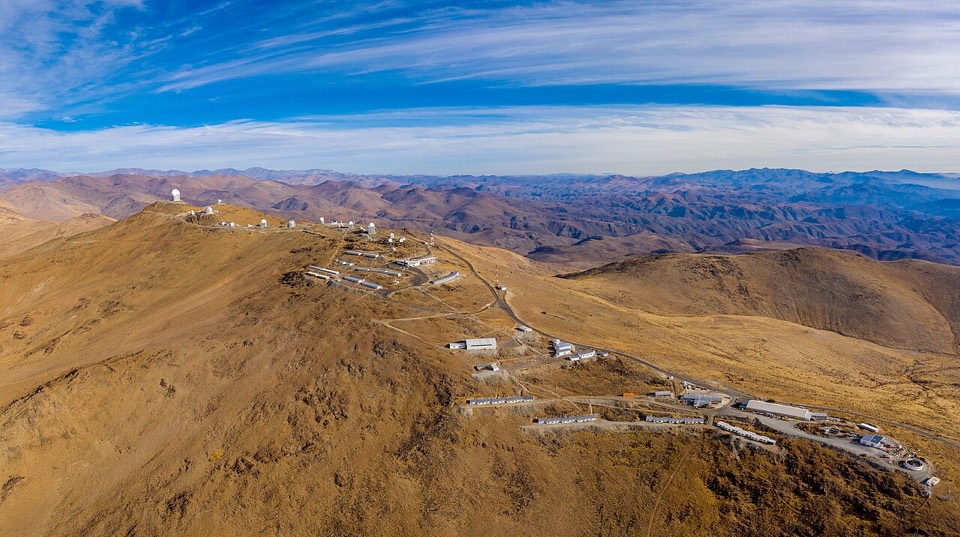
Photo: ENEL / ESO (potw2226a) via Wikimedia Commons, CC BY 4.0 (licence, source)

Best for: Spanish B.
Spanish prompt: Describe la foto y explica qué dice sobre la ciencia y la tecnología en un país hispanohablante.
Follow-ups:
- ¿Qué crees que descubrieron los científicos que trabajaron en este lugar?
- ¿Es importante que los países inviertan dinero en investigación científica? ¿Por qué?
- Si pudieras trabajar en este observatorio, ¿qué querrías investigar?
Another theme (Spanish): Hablemos del planeta: ¿cómo pueden la energía solar y la ciencia ayudar a proteger el medio ambiente?
French prompt: Décris la photo et explique ce qu'elle dit de la science et de la technologie dans un pays hispanophone.
Follow-ups:
- Qu'est-ce que les scientifiques qui ont travaillé ici ont découvert, selon toi ?
- Est-il important que les pays investissent dans la recherche scientifique ? Pourquoi ?
- Si tu pouvais travailler dans cet observatoire, que voudrais-tu étudier ?
Another theme (French): Parlons de la planète : comment l'énergie solaire et la science peuvent-elles aider à protéger l'environnement ?
Tip: There are no people in the photo, so talk about who works here and why.
7. A polling station (Social organization)
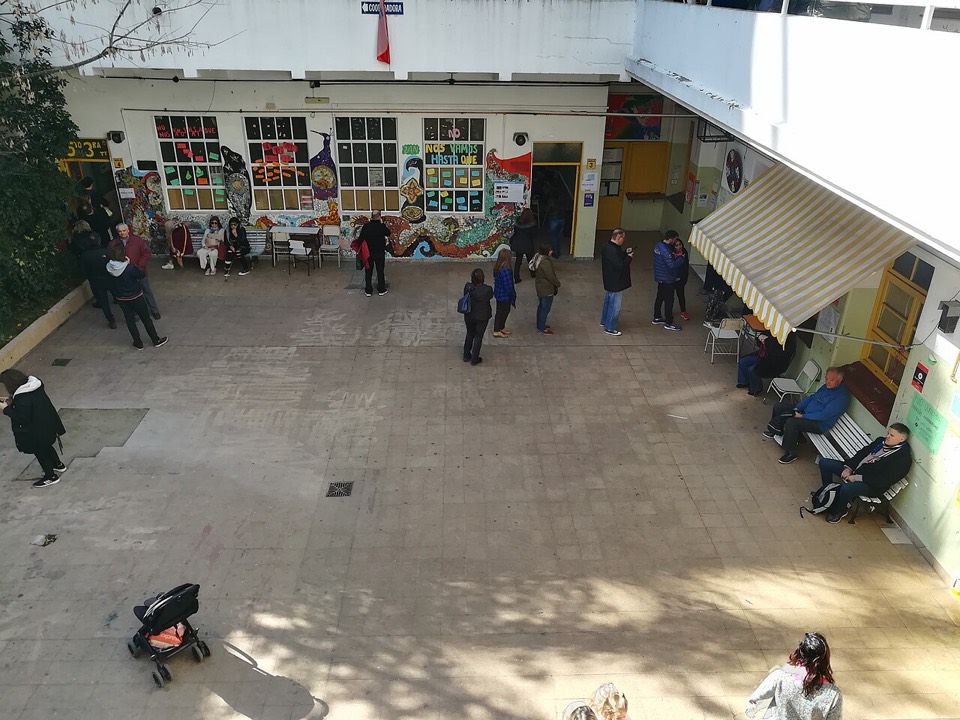
Photo: BugWarp / Wikimedia Commons, CC BY 3.0 (licence, source)

Best for: Spanish B.
Spanish prompt: Describe la foto y explica qué papel tiene el voto en la organización de una sociedad.
Follow-ups:
- ¿Qué crees que hicieron estas personas antes de llegar a la escuela para votar?
- ¿Es importante que el voto sea obligatorio? ¿Qué piensas?
- Si pudieras cambiar una ley de tu país con tu voto, ¿cuál cambiarías?
Another theme (Spanish): Hablemos de identidades: ¿cómo influyen la familia y los amigos en tus opiniones políticas?
French prompt: Décris la photo et explique le rôle du vote dans l'organisation d'une société.
Follow-ups:
- Qu'est-ce que ces personnes ont fait avant d'arriver à l'école pour voter, à ton avis ?
- Est-il important que le vote soit obligatoire ? Qu'en penses-tu ?
- Si tu pouvais changer une loi de ton pays avec ton vote, laquelle changerais-tu ?
Another theme (French): Parlons d'identités : comment la famille et les amis influencent-ils tes opinions politiques ?
Tip: The photo is calm. Ask what a polling station is like on a busy day.
8. A roadside market (Social organization)
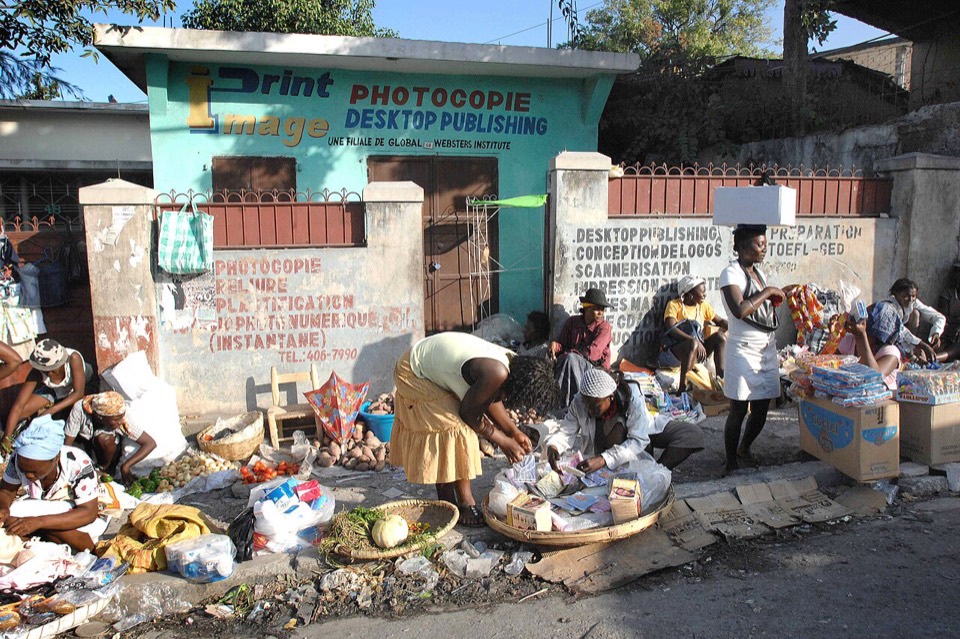
Photo: Fred W. Baker III / U.S. Department of Defense (public domain), via Wikimedia Commons (source)

Best for: French B.
Spanish prompt: Describe la foto y explica cómo se organiza la vida económica en la calle de una ciudad francófona del Caribe.
Follow-ups:
- ¿Qué crees que pasó en este barrio antes de que estas mujeres montaran el mercado?
- ¿Es necesario que los gobiernos ayuden a los pequeños comerciantes? ¿Qué opinas?
- Si tú tuvieras un pequeño negocio en esta calle, ¿qué harías para que creciera?
Another theme (Spanish): Hablemos del planeta: ¿qué ayuda internacional necesitan los países que sufren desastres naturales?
French prompt: Décris la photo et explique comment s'organise la vie économique dans la rue d'une ville francophone des Caraïbes.
Follow-ups:
- Qu'est-ce qui s'est passé dans ce quartier avant que ces femmes installent le marché, à ton avis ?
- Faut-il que les gouvernements aident les petits commerçants ? Qu'en penses-tu ?
- Si tu avais un petit commerce dans cette rue, que ferais-tu pour le développer ?
Another theme (French): Parlons de la planète : de quelle aide internationale les pays frappés par des catastrophes naturelles ont-ils besoin ?
Tip: Describe the stall, then imagine the street on a normal day.
9. A climate march (Sharing the planet)
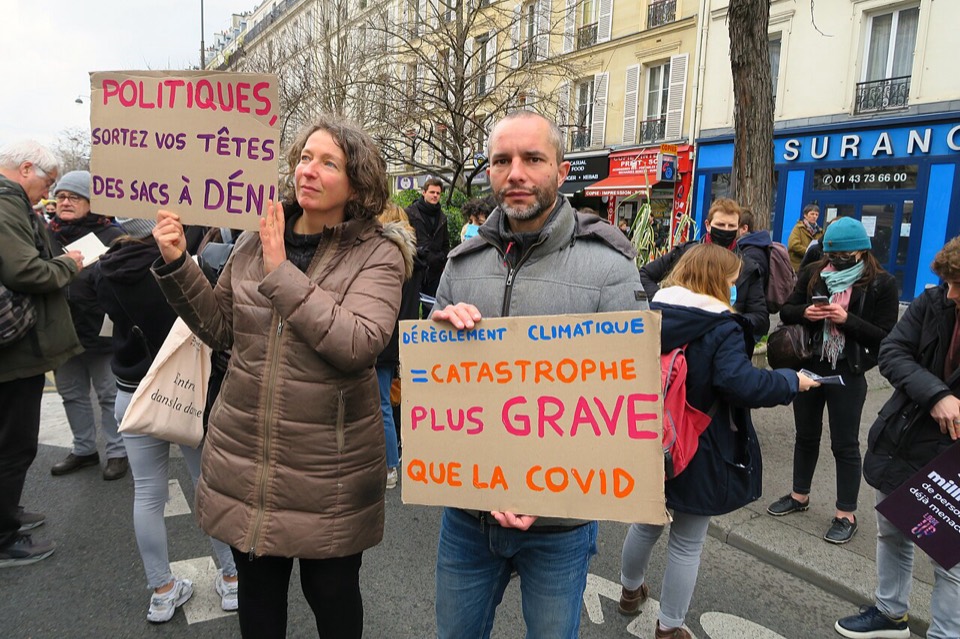
Photo: Paola Breizh / Wikimedia Commons, CC BY 2.0 (licence, source)

Best for: French B.
Spanish prompt: Describe la foto y explica qué mensaje quieren transmitir los manifestantes.
Follow-ups:
- ¿Qué crees que hicieron estas personas antes de salir a manifestarse?
- ¿Es importante que los jóvenes participen en movimientos por el clima? ¿Por qué?
- Si participaras en esta marcha, ¿qué escribirías en tu cartel?
Another theme (Spanish): Hablemos de identidades: ¿qué causas son importantes para tu generación?
French prompt: Décris la photo et explique quel message veulent faire passer les manifestants.
Follow-ups:
- Qu'est-ce que ces personnes ont fait avant de descendre manifester, selon toi ?
- Est-il important que les jeunes participent aux mouvements pour le climat ? Pourquoi ?
- Si tu participais à cette marche, qu'écrirais-tu sur ta pancarte ?
Another theme (French): Parlons d'identités : quelles causes comptent pour ta génération ?
Tip: Read the signs, then explain the message in your own words.
10. A river in flood (Sharing the planet)
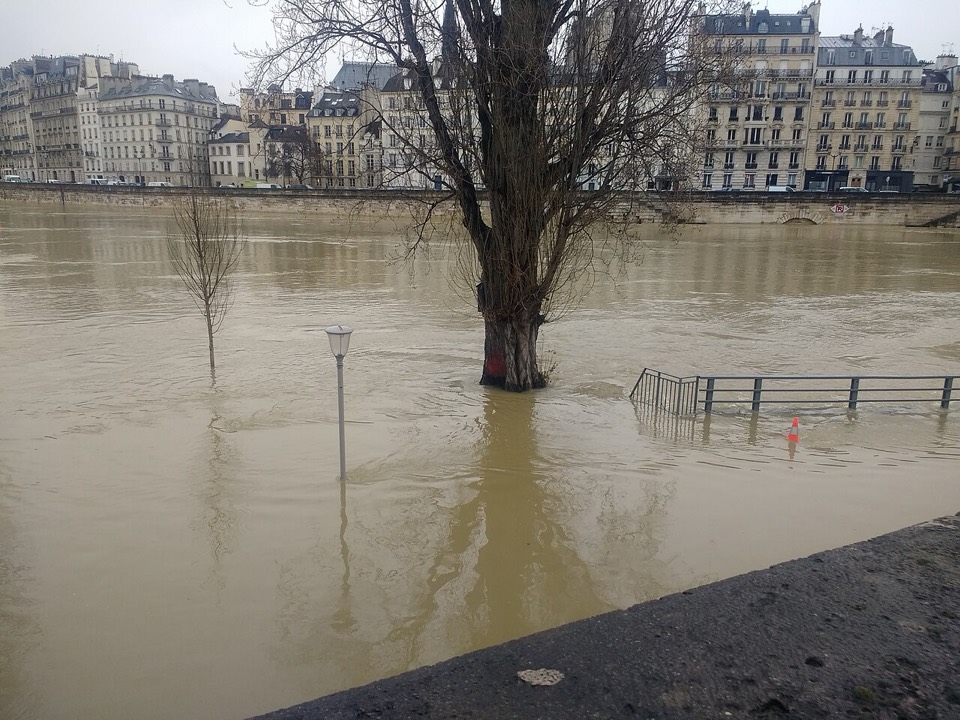
Photo: tpe.g5.stan / Wikimedia Commons (CC0) (licence, source)

Best for: French B.
Spanish prompt: Describe la foto y explica qué problema ambiental muestra y cómo puede afectar a la ciudad.
Follow-ups:
- ¿Qué crees que pasó los días anteriores para que el río subiera tanto?
- ¿Es necesario que las ciudades se preparen mejor para las inundaciones? ¿Qué opinas?
- Si fueras ingeniero en esta ciudad, ¿cómo protegerías a la gente?
Another theme (Spanish): Hablemos de ingenio humano: ¿cómo puede la tecnología ayudar a prevenir los desastres naturales?
French prompt: Décris la photo et explique quel problème environnemental elle montre et comment il peut toucher la ville.
Follow-ups:
- Qu'est-ce qui s'est passé les jours précédents pour que le fleuve monte autant, à ton avis ?
- Est-il nécessaire que les villes se préparent mieux aux inondations ? Qu'en penses-tu ?
- Si tu étais ingénieur dans cette ville, comment protégerais-tu les habitants ?
Another theme (French): Parlons d'ingéniosité : comment la technologie peut-elle aider à prévenir les catastrophes naturelles ?
Tip: Describe the water, then talk about the city a week later.
How to use these photos for IB oral practice
In class, in a 10-minute slot:
- Prep (3 to 5 minutes, or the full prep time for a mock). Students note what they see, the cultural link, and what is outside the frame.
- Present (2 to 3 minutes). Describe, interpret, connect to a culture.
- Follow-ups (2 minutes). Ask the three questions in order, then one more that picks up something the student said.
- Another theme (1 minute). Use the last question to move on.
If a student answers all three follow-ups in the present tense, that is the thing to work on next week.
At home: one photo a session. Prepare with a timer, present out loud and record, then answer the follow-ups without looking at them first. Redo the same photo two days later and fix the three things you noted. Once a week, compare your oldest recording with your newest.
A printable set for your class
We are putting together a printable set of photos and follow-up questions for every theme. In the meantime, everything on this page can go into your slides, as long as each photo keeps its credit line. See Cadentia for IB teachers for what we have for IB classes.
Where Cadentia fits
Cadentia runs IB oral practice for Spanish B and French B. You choose a theme and one of two photos, prepare with a timer and notes, present out loud, then answer follow-up questions built from what you actually said, and a question on another theme. You get feedback on your sentences at the end. There is a Practice mode (outline on screen, another try allowed) and a Mock mode (one go, no notes while speaking).
It gives feedback, not a band or a mark, and it does not replace your teacher's mock orals.
- Students: the IB Oral Prep Course plans your weeks up to your oral, with the first week free. If your teacher uses Cadentia, join your class with its code: it is free there.
- Teachers: try it with your class, free, and see who practised without listening to every recording.
More on the IB oral
- How to prepare for the IB Spanish B individual oral
- IB French B oral questions and preparation guide
- How to practise the IB oral at home
- Teachers: IB Spanish B practice plan by theme and IB French B practice plan by theme
- How to describe a photo in Spanish and French for the IB oral
- Teachers: IB Language B speaking questions for each theme
Cadentia is not affiliated with or endorsed by the International Baccalaureate. "IB" and "International Baccalaureate" are trademarks of the International Baccalaureate Organization. Photos are credited to their authors under the licences shown; prompts and questions are our own wording, not official IB material.
Frequently asked questions
Are these real IB exam photos?
No. IB exam photos are not public. These are real photos chosen to match the five Language B themes, with prompts and questions in our own wording. They work the same way in practice: a photo, a theme, a cultural link and questions that follow on.
Do I need to answer in both languages?
No. Pick your Language B. Each photo says which course it suits best, because the cultural link is easier when the photo comes from a place that speaks your language, but every photo has questions in both.
Why only three follow-up questions per photo?
In the real oral the examiner builds follow-ups from what you just said, so no list can predict them. These three climb in difficulty, past, then opinion, then hypothetical, and are a good warm-up for the unexpected ones. If someone is practising with you, ask them to add a fourth that picks up something you said.
Are the photos free to use?
They come from Wikimedia Commons and are CC0, public domain or CC BY. Each has a credit line and a link to its source page, plus a link to its licence where one applies. The photos here are resized for the web and otherwise unedited. If you reuse one in slides or handouts, keep the credit.